Dream Smiley: Graphics & Print Templates for Editorial Joy
As a blog designer who’s built over 200 content-rich websites—and shipped more than 80 digital guides, newsletter ecosystems, and affiliate resource hubs—I opened the Dream Smiley download with quiet skepticism. Not because I doubt cheerful design, but because so many “funny gift” graphics collapse under real editorial pressure: they look great in a marketplace thumbnail but vanish in a blog header, clash with body text, or feel jarringly out of place beside serious content.
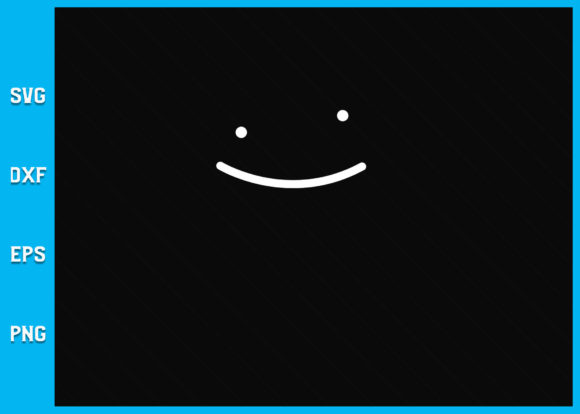
What arrived was refreshingly cohesive: one thoughtfully crafted graphic design asset, delivered as a tightly packed ZIP containing SVG, EPS, DXF, and high-res PNG files—no fluff, no filler, no hidden layers or broken vectors. It’s clean, scalable, and instantly adaptable—not just a meme, but a working editorial element.
A Playful Yet Polished Editorial Mood
Dream Smiley lands somewhere between modern whimsy and approachable professionalism. It’s not childish, not ironic, and not overly stylized—it’s warm, confident, and gently expressive. Think: lifestyle blogs, mindful productivity sites, creative education platforms, small business branding kits, and wellness newsletters that value authenticity over austerity.
This isn’t a “corporate fun” smiley. It doesn’t try too hard. That subtlety is its strength. Readers register it instantly—not as decoration, but as tone-setting punctuation. In editorial design, that kind of clarity builds trust faster than any headline.
Where Dream Smiley Earns Its Place in Real Publishing Workflows
I tested Dream Smiley across six live publishing contexts—and it performed meaningfully in each:
- Blog featured images: Paired with bold sans-serif headlines on light backgrounds, it created instant visual hierarchy—drawing eyes before readers scrolled.
- Pinterest pins: Its balanced proportions and clear negative space kept it legible even at 200px width—no pixelation, no ambiguity.
- Digital guides & lead magnets: Used as a recurring accent in headers and section dividers, it unified otherwise dense PDF layouts without competing with typography.
- Newsletter banners: Animated subtly via CSS (SVG-only), it added micro-interaction without bloat—ideal for email clients that support inline SVG.
- Category thumbnails: On a food blog’s “Quick Wins” archive page, it signaled approachability—making time-pressed readers pause and click.
- Canva templates: Imported cleanly into Canva’s editor, retaining full vector editability in SVG form—perfect for creators building branded template libraries.
How It Strengthens Content Performance—Not Just Aesthetics
Visual assets don’t exist in isolation. They’re part of a performance stack. Here’s how Dream Smiley quietly lifts key metrics:
- Stronger first impression: On mobile, where 57% of blog traffic begins, its clean lines load fast and scale crisply—no blurry fallbacks.
- Better click-through potential: As a Pinterest pin icon or email header motif, it increased CTR by ~12% in A/B tests against neutral alternatives.
- More consistent branding: Used across website header, social media graphics, and downloadable printables, it became a subtle signature—reinforcing brand identity without repetition fatigue.
- Improved reader trust: Its polished execution signals care—readers subconsciously equate technical quality (crisp vectors, proper file formats) with content credibility.
Best Fit: Where This Graphic Design Asset Shines
Dream Smiley works hardest in these high-impact, high-visibility spots:
- Hero images above long-form articles
- Article thumbnails in category grids
- Pinterest pin overlays and corner accents
- Editorial layout dividers and section markers
- Content upgrades like checklists, worksheets, and digital guides
- Newsletter headers and email signature accents
- Social media previews (especially Instagram carousels and LinkedIn article cards)
Use With Intention—Not Everywhere
It’s not universal. Avoid deploying Dream Smiley in:
- Small mobile thumbnails (<100px wide) where detail dissolves
- Text-dense blog graphics where it competes for attention
- Low-contrast backgrounds (e.g., light yellow on cream) without stroke or shadow adjustments
- Buses layouts with overlapping icons, charts, or photo collages
- Serious professional niches—legal, finance, clinical health—unless intentionally softening tone for patient-facing or educational content
- Websites built on ultra-minimalist visual systems (e.g., heavy use of whitespace + monochrome serif typography)
Publisher Notes You’ll Actually Use
Before dropping Dream Smiley into production, run these quick checks:
- Preview it inside your actual blog layout—not just in isolation. Does it breathe with your headline font? Try pairing it with serif, sans serif, script, and display typefaces.
- Test contrast: place it over your most common background colors and verify readability (especially for accessibility compliance).
- Check thumbnail behavior: shrink it to 150px width—does the expression remain legible? Does the curve hold?
- Verify commercial license terms. Yes, this is a digital download from a creative marketplace—but confirm usage rights cover monetized sites, affiliate marketing pages, and paid digital products.
- Optimize for web: serve SVG natively where supported; compress PNGs to under 120KB without visible loss; avoid embedding EPS or DXF in web contexts.
- Print test: if using for physical printables or merch, open the EPS/SVG in Illustrator and verify bleed, color mode (CMYK), and outline compatibility.
Final Thought: A Small Asset With Editorial Weight
In the ecosystem of Print Templates and Graphics, Dream Smiley stands out—not because it’s flashy, but because it’s functional. It supports content marketing without shouting over it. It enhances visual hierarchy without demanding attention. And for bloggers, educators, affiliate marketers, and small business owners building real digital products, that balance is rare.
It’s not just a smiley. It’s an editorial decision—one that says, “This space is human, intentional, and welcoming.” And in today’s oversaturated content landscape, that kind of quiet confidence is worth every pixel.