Fun Scuba Diving
A Dive into the World of Embroidery Design
As a designer who’s stitched through countless projects, I approach every embroidery design with the same question: Will this work in real life? When I first opened the Funny Scuba Diving design, I was immediately struck by its playful energy and bold visual language. It’s not just another generic template—it feels like a conversation between the designer and the end user, inviting creativity and humor into the finished product.
The First Impression: A Splash of Fun
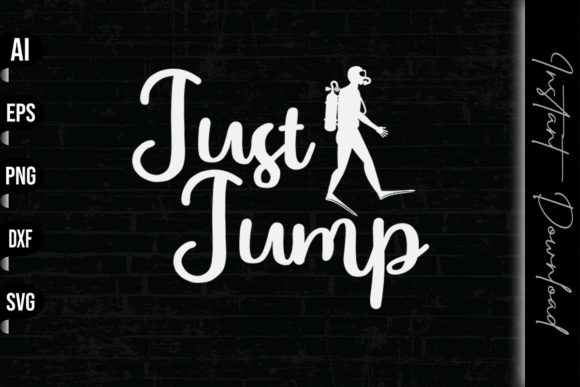
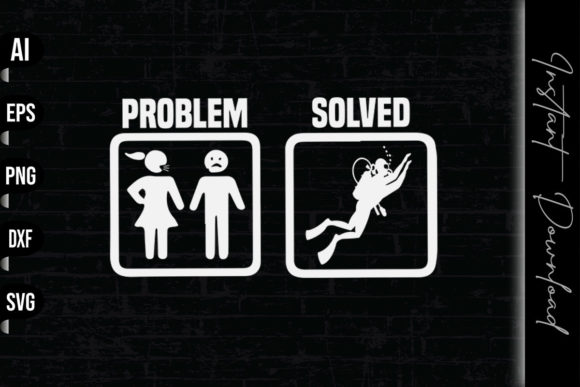
The Funny Scuba Diving design carries a light-hearted, whimsical vibe that’s instantly recognizable. The layout is clean, with a central figure of a scuba diver surrounded by elements that suggest underwater adventure—diving gear, bubbles, and a playful twist on typical diving motifs. The color palette is vibrant yet balanced, making it versatile for both casual and more refined applications.
What stands out is how the design balances detail with simplicity. There are enough visual cues to convey the theme without overwhelming the viewer. This makes it an excellent candidate for a wide range of products, from custom apparel to personalized gifts.
Real-Life Use Cases: From Tote Bags to Baby Clothes
When thinking about where Funny Scuba Diving could shine, I immediately considered a few practical scenarios. Imagine using it on a tote bag design for a beach-themed craft fair or as a sweatshirt embroidery for a small shop selling handmade items. The design’s scalability and clarity make it ideal for these purposes.
I also thought about baby embroidery—a delicate application that requires precision and care. While the design isn’t overly detailed, it still holds up well when scaled down, which is crucial for smaller projects like onesies or bibs. The stitch density is appropriate for most fabric types, though I’d recommend testing it on scrap fabric before committing to a final piece.
Considerations for Real-World Embroidery
While Funny Scuba Diving has a lot going for it, there are a few areas where extra care might be needed. For instance, the design’s intricate details could pose challenges on thin or stretchy fabrics. These materials can cause distortion, especially if the hoop size isn’t properly chosen. Testing the design on a printable mockup or scrap fabric is a must before moving to a final product.
Additionally, the thread colors play a significant role in how the design looks after stitching. The original file likely uses a specific set of threads, but it’s always wise to check color contrast against different fabric backgrounds. A design that looks great on white might not translate well on dark or textured surfaces. Stabilizer use is also critical—especially for curved surfaces like caps or hats, where the design might otherwise stretch or distort.
Design Assets for Commercial and Personal Projects
Funny Scuba Diving is a strong contender for digital embroidery files used in both personal and commercial settings. As an Etsy seller or small shop product, this design offers versatility. It can be used for custom apparel, holiday embroidery, or even branding for a boutique.
However, it’s important to consider licensing before selling any finished items or digital products. Always confirm whether the design is intended for commercial use and ensure you have the proper rights. This is especially relevant for craft business owners looking to expand their offerings.
Visual Appeal and Customer Trust
The Funny Scuba Diving design contributes positively to the overall visual appeal of any project it’s applied to. Its clear lines and consistent styling help maintain a sense of professionalism, which is key for handmade products and personalized gifts. Customers are more likely to trust a product that looks intentional and well-crafted, even if it’s made by hand.
Moreover, the design’s recognizability adds to its value. It’s easy to spot and understand, which is especially useful for giftability and buyer engagement. Whether it’s a phone case or a pillow cover, the design maintains its charm across various mediums.
Practical Designer Notes for Success
If you’re planning to use Funny Scuba Diving in your own projects, here are a few practical tips:
- Test on scrap fabric first to ensure the design works as expected.
- Check thread color contrast against different fabric types.
- Review stitch density to avoid over-stitching or under-stitching.
- Confirm hoop size for the specific fabric and design complexity.
- Inspect small details for clarity and accuracy.
- Test in black and white mockups to see how the design holds up.
- Use proper stabilizer to prevent distortion, especially on stretchy or textured fabrics.
- Ensure the design works for both personal and commercial projects if you plan to sell it.
- Confirm licensing before selling any finished items or digital products.
With the right preparation, Funny Scuba Diving can become a valuable asset in your embroidery project toolkit. It’s a design that speaks to both the heart and the eye, offering a perfect blend of fun and functionality.